

17
Mar 2026
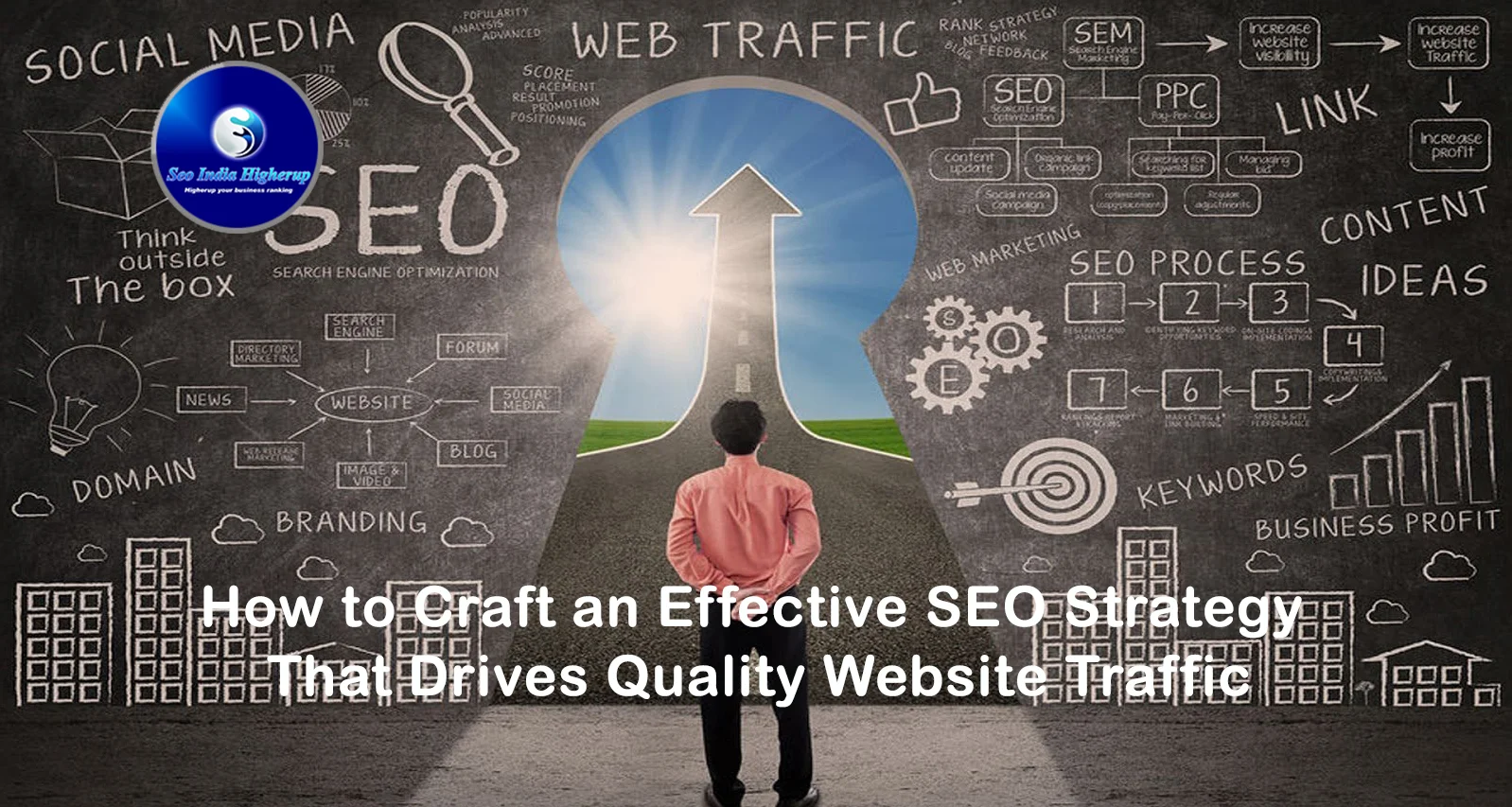
The digital world today does not require a site only. Businesses and content creators must ensure that their websites are listed in the search engine listing where potential users are currently searching for solutions. This is the place where well-structured Search Engine Optimization (SEO) strategy is needed.
SEO is the art of getting a web site to show up higher in the search results of a search engine such as Google to generate traffic to the site and find the correct traffic which could become customers or regular readers.
An effective SEO strategy needs to be created through a combination of research, technical optimization, content development, and continuous analysis. When used properly, it can deliver consistent, high-quality traffic to the site and support sustainable business growth.
Understanding the Importance of an SEO Strategy
An SEO strategy is merely a systematic plan that is to be applied to mould your visibility in search engines. It organises different actions, such as keyword research, technical improvement, content optimisation and link building to achieve long-term organic traffic expansion.
Unlike paid advertising, SEO targets organic traffic, which is users who visit your site following an unpaid search result. Such traffic will tend to be of value much more often, as these are users who are actively seeking information, goods or services about your content.
The efficient SEO strategy helps companies:
- Enhance online presence.
- Attract targeted audiences
- Improve brand credibility
- Develop leads and conversions.
- Long-term digital authority.
To achieve such outcomes, organisations must implement a set of significant factors that interact to improve search results and user experience.
Step 1: Define Clear SEO Goals
Defining your goals is the first thing that you should do to create a successful team of SEO strategy. In the absence of clarity, SEO may turn out to be a disjointed, useless exercise.
Common SEO goals include:
- Growing organic Internet traffic.
- Enhancement of search engines in terms of ranking.
- Generating leads or sales
- Building brand awareness
The objectives of your business should be the same as your SEO objectives. As an example, an e-commerce site may be more worried with the ranking of the pages of the products, and a blog may be worried with the number of people who would want to read the information on the site.
Knowing your target audience is also important. You are supposed to clarify their needs, problems and search patterns so that your material can respond to their queries.
Step 2: Intensive Keyword Research.
Keywords research lays the groundwork of any successful SEO strategy. It is the process of noticing what words and phrases people enter into a search engine to find information, products or services.
These keywords serve as an intermediary between your site and your target audience. Search engines can match the content with the user queries better by targeting the appropriate keywords.
Best keyword research entails:
- Determining high volume and pertinent keywords.
- Analysing search intent
- Assessment of keyword competition.
- Finding long-tail keywords.
Highly specific phrases, known as long-tail keywords, can result in very specific traffic. As an example, you could target digital marketing strategies to small businesses instead of just to digital marketing.
It is also important to know the purpose of keywords. The users might be seeking information, comparisons, or products. When it matches their content to this purpose, you may stand a better chance to rank higher on search results.
Step 3: Produce High-value, Good Content
Content forms the most crucial aspect of any SEO strategy. Search engines are optimised to favour helpful, reliable, and relevant content to the needs of the users.
High-quality content should:
- Respond to user queries.
- Make good contributions or solutions.
- Naturally apply appropriate keywords.
- Well organised and simple to read.
Instead of producing content to be searched by search engines, concentrate on providing authentic value to the readers. By providing useful content, they are more apt to spend time on your site, blog your content, and revisit your site in the future.
Content formats can include:
- Blog articles
- Guides and tutorials
- Videos and infographics
- Case studies
- Product pages
Consistent content strategies can be used to gain authority in your niche and to enhance your chances of ranking on a range of keywords.
Step 4: Optimize On-Page SEO
On-page optimization simply refers to the practice of optimizing the contents of the pages of your web site to make them more visible in search.
The key on-page optimization plans are:
- Writing rich keyword title tags and meta descriptions.
- Organizing the material using headings (H1, H2, H3).
- Building internal links with other related pages.
- Describing images using alt text.
Naturally incorporate focus keywords in text.
It must not be filled with keywords, but on the other hand should not be loaded with excessively many keywords, which can harm the user experience and the search process.
Effective on-page SEO ensures that both the search engines and the end users are not left in any doubt about what it is that your page is all about.
Step 5: Focus on Technical SEO
Technical SEO is about improving the back-end structure and performance of your site; in such a way that search engines are able to crawl and index your content properly.
Very important technical SEO points are:
- Fast page loading speed
- Mobile-friendly design
- Secure HTTPS connection
- Good site architecture and navigation.
- XML sitemaps and effective indexing.
Get your site optimized technically so that it is accessible and readable by the search engines. They may not rank even the best content without a firm technical foundation.
Step 6: Establish Quality Backlinks
One of the most effective ranking factors in SEO is backlinks, links from other websites to your site. The search engines view the number of backlinks as an indicator of authority and credibility.
By having reputable websites refer to your content, the search engines will perceive that your site is reliable and useful and this may boost your rankings.
The strategies to be used in link-building are:
- Blogging on websites of interest.
- Producing shareable content like research or guides.
- Digital PR and outreach
- Partnerships with industry professionals.
But quality is better than quantity. A few quality links would be worth a lot more than numerous poor links.
Step 7: Monitor Performance and Continuously Improve
SEO is not a one time activity but an ongoing process. The market trends, search engine algorithm, and user behaviour continue to vary and it is worth monitoring performance, and continuing to refine your strategy.
Key metrics to track include:
- Organic traffic
- Keyword rankings
- Bounce rate
- Conversion rates
- Backlink growth
Using programs like Google Analytics and SEO software, one can identify what works and what needs to be improved.
Changing content regularly, optimisation of pages and troubleshooting technical issues ensure that your SEO strategy is effective in the long term.
The development of an efficient SEO strategy demands a critical and methodical strategy. Defining clear objectives, doing a comprehensive research of keywords, generating valuable content, optimizing on-page and technical factors as well as establishing good backlinks, businesses can be much more visible in the search.
SEO is all about the right contents to the right audience at the right moment. When done right, it does not only guarantee a rise in traffic to your web site but it also ensures that you get high quality visitors who are not only interested in what is being offered at your web site but also in what is being offered.
In a competitive digital world, one of the strongest means to create sustainable growth, promote brand authority, and attain online success in the long term is investing in a strategically planned SEO approach.


How to Craft an Effective SEO Strategy That Drives Quality Website Traffic